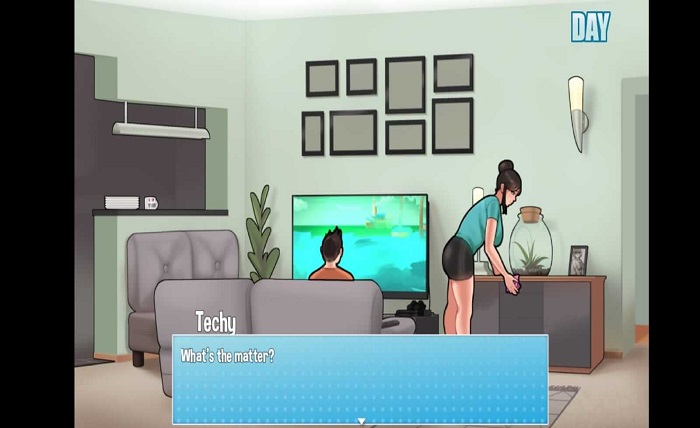
A house chores game is an innovative way to transform mundane household tasks into exciting activities for family members. Instead of viewing chores as boring obligations, a house chores game adds an element of competition, rewards, and creativity. By turning cleaning, organizing, and tidying up into a game, families can encourage participation from all members, making household maintenance more enjoyable.
House chores games come in various formats—from point systems and time challenges to board game-inspired setups. These games allow children and adults alike to feel accomplished, motivated, and even excited about doing their chores. For parents, a house chores game can instill responsibility and routine in children while maintaining a clean and organized home effortlessly.
Studies have shown that gamifying chores can increase engagement significantly. By using a house chores game, kids are more likely to participate without reminders, and adults can also enjoy the sense of accomplishment. Essentially, a house chores game turns household work into a fun, interactive experience.
Benefits of Playing a House Chores Game
Implementing a house chores game offers numerous benefits for both families and individuals. First and foremost, it makes cleaning less of a burden and more of a collaborative activity. A house chores game encourages teamwork, cooperation, and healthy competition among family members.
Another benefit is improved responsibility and accountability. Kids who participate in a house chores game learn the importance of contributing to household upkeep, building lifelong habits. Adults also benefit by breaking large tasks into manageable, game-like challenges.
Moreover, a house chores game can reduce conflicts over chores. By creating clear rules, points, and rewards, disagreements over who should do what can be minimized. It can also improve time management, as participants are motivated to complete tasks efficiently to win points or rewards. In short, a house chores game is more than just fun—it fosters skills, discipline, and positive family dynamics.
Types of House Chores Games
House chores games come in a variety of styles, each suited to different households and preferences. One popular option is the point-based house chores game, where each task is assigned a specific point value. Participants earn points for completing chores, and the person with the highest score receives a reward at the end of the week.
Another type is the time-based house chores game, which challenges participants to complete tasks within a set time limit. This type of house chores game adds excitement and urgency, making mundane activities like vacuuming or washing dishes feel like a fun challenge.
There are also board game-inspired house chores games, which integrate household tasks into a game board format. Players move pieces, complete tasks, and collect rewards, combining strategy and cleaning in a unique way. No matter the type, a house chores game can be customized to suit the family’s age range, preferences, and home environment.
How to Create Your Own House Chores Game
Creating a house chores game is simple and can be tailored to your family’s needs. Start by listing all the household chores that need to be completed regularly, such as sweeping, dusting, washing dishes, or folding laundry. Then, assign points or rewards to each task to make them more appealing.
Next, set clear rules for your house chores game. Decide on time limits, point calculations, and the frequency of rewards. Some families prefer weekly competitions, while others might play a daily house chores game to keep tasks manageable and fun.
Incorporating themes can also enhance a house chores game. For instance, you can create a “pirate treasure hunt” where each completed chore earns a treasure map piece. With a little creativity, your house chores game can transform routine cleaning into an engaging and imaginative activity.
House Chores Game for Kids
A house chores game is especially effective for children, helping them learn responsibility while keeping them entertained. By turning chores into a game, kids are more likely to participate willingly and even look forward to cleaning time.
To make a house chores game appealing to children, use colorful charts, stickers, or digital apps that track points and progress. Reward systems, like small prizes or extra playtime, can motivate kids to complete their tasks. Additionally, incorporating challenges and mini-competitions in a house chores game can make tidying up exciting and fun.
Parents can also involve children in the design of the house chores game. Allowing kids to choose chores, assign points, or set rewards increases their engagement and sense of ownership. Ultimately, a house chores game teaches valuable skills like time management, teamwork, and responsibility in an enjoyable and memorable way.
House Chores Game for Adults
While house chores games are often associated with kids, adults can also benefit from them. An adult-focused house chores game can add fun to cleaning routines, encourage efficiency, and even foster friendly competition among roommates or partners.
For adults, the house chores game can be more strategic. Tasks can be weighted based on difficulty, with bonus points for completing larger projects. Couples or roommates can compete weekly for rewards such as dinner outings, movie nights, or personal treats.
A house chores game for adults also reduces procrastination. By framing chores as a game rather than a duty, participants are more likely to complete tasks without nagging or reminders. It’s a clever way to maintain a clean home while adding a social and fun twist to ordinary household work.
Digital House Chores Game Options
In today’s tech-savvy world, digital house chores games have become increasingly popular. These apps and online platforms allow families and roommates to track chores, assign points, and reward participants digitally.
Digital house chores games often include features like leaderboards, reminders, and customizable tasks. Apps like ChoreMonster or OurHome turn cleaning into a virtual challenge, making chores interactive and measurable. Participants can even earn badges or virtual rewards, which increases motivation and engagement.
By integrating a digital house chores game, families can combine fun, technology, and accountability. It also simplifies tracking progress, ensuring everyone contributes fairly and enjoys the benefits of gamified cleaning. Whether physical or digital, a house chores game transforms household maintenance into a playful and rewarding experience.
Tips for Making Your House Chores Game Effective
To get the most out of a house chores game, consider a few practical tips. First, make it visually appealing. Charts, tokens, and colorful boards make the house chores game more engaging.
Second, balance difficulty and reward. Assign higher points for harder chores and ensure rewards are desirable but realistic. This keeps the house chores game motivating without feeling unfair or tedious.
Third, rotate tasks. Avoid repetitive chores by rotating responsibilities so that everyone experiences different activities. This prevents boredom and encourages skill-building.
Finally, celebrate achievements. Recognize progress and milestones to keep participants motivated. Regular feedback, rewards, and acknowledgment make the house chores game a positive and effective approach to maintaining a clean, organized home.
Conclusion
A house chores game is a powerful tool to make cleaning fun, engaging, and rewarding. Whether for kids, adults, or the entire family, it transforms mundane household tasks into exciting challenges. By incorporating creativity, rewards, and structure, a house chores game fosters responsibility, teamwork, and a sense of accomplishment.
Whether using a simple point system, a time challenge, or a digital app, a house chores game brings joy and efficiency to household maintenance. Families can enjoy a cleaner home, happier participants, and a shared sense of achievement. Turn chores into a game today and watch your home—and relationships—thrive!
FAQs
1. What age is suitable for a house chores game?
A house chores game can be adapted for any age, from young children to adults. The complexity and rewards can be adjusted accordingly.
2. How do I keep kids motivated in a house chores game?
Use colorful charts, stickers, small prizes, and digital tracking to make the house chores game fun and engaging.
3. Can a house chores game work in shared apartments?
Yes, a house chores game is perfect for roommates or partners to fairly distribute tasks and reduce conflicts.
4. What is the best type of house chores game for adults?
Time-based or point-based games work well, especially when paired with fun rewards or competitions between participants.
5. Are there digital house chores games available?
Yes, apps like ChoreMonster, OurHome, and others gamify household chores, allowing tracking, points, and rewards digitally.