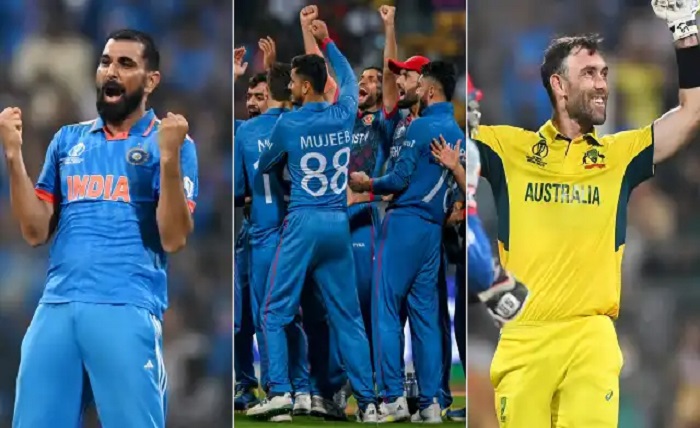
Match nights now live on two parallel tracks. One screen holds the score, the other fills with stills, edits, and short clips that will land in galleries or social grids later. Fans freeze celebrations, midair catches, and quiet huddles, then spend the next day sorting everything into albums, carousels, and posts. When this routine is built around a clear live scoreboard rather than guesswork, every frame carries better timing, more honest context, and a story that can be understood long after the final ball.
Why A Clean Score View Improves Every Match Photo
A powerful still frame does more than show a batter swinging or a bowler celebrating. It holds a moment that belongs in a specific over, at a specific pressure level, in a chase or defense that had a real equation attached. Without that context, even a sharp image can feel disconnected. A clean live score surface fixes this gap. It keeps totals, wickets, and overs in one stable band, so a quick glance before pressing the shutter answers a simple question – is this just a nice frame, or is this the ball that turned the night.
Photo-focused fans and editors often treat the scoreboard as a second viewfinder. During tight spells, they glance away from the camera to read more on a trusted live page, understand how many runs or balls remain, then return to the lens with a clearer idea of what matters next. A fielder diving at 120 for 6 in a chase feels very different from the same dive at 20 for 0. That difference shapes crop choices, captions, and which images move from a private folder into a public gallery the next day.
Planning The Capture Flow Around Overs
Match photography, even from the stands or living room, becomes easier when it follows the natural heartbeat of the innings. Powerplays reward wide frames that show field shapes and crowd color. Middle overs invite tighter shots of batters, bowlers, and quiet tactical conversations. Death overs demand a fast hand on both the camera and the refresh gesture, because every ball can swing the story. Planning a simple capture flow around these phases keeps the gallery varied without exhausting the person behind the lens or filling storage with near-duplicates.
Small Habits That Keep Shots Sharp
A few modest habits turn a casual phone user into someone whose match albums feel deliberate rather than random. First, timing checks help. Looking at the score just before an over begins and again right after it ends shows whether that stretch deserves closer visual coverage. Second, thinking in pair frames – for example, bowler run-up plus reaction, or batter pre-shot routine plus follow-through – helps galleries read like mini-stories. With those basics in place, a short set of repeatable moves keeps the workflow light:
- Mark one or two overs per innings as “must-capture” moments based on the equation.
- Reserve a handful of frames for wide crowd or stadium shots that anchor the album.
- Use burst mode sparingly during critical balls, then delete ruthlessly between overs.
- Note key scores in a small text file, so later sorting does not rely on memory.
Editing Match Stills With Context Attached
The editing table, whether inside a mobile app or a desktop suite, is where score-aware thinking pays off. Cropping, exposure choices, and sequence order all benefit from knowing exactly what the scoreboard showed when a frame was captured. A batter walking off at 98 in a tight chase calls for a different treatment than a relaxed fifty in a low-pressure game. Editors who keep a parallel log of overs and turning points can anchor each chosen image to a clear chapter in the innings, instead of relying on broadcast replays to reconstruct the flow.
Color and contrast decisions also change when context is visible. Late-evening shots from a tense finish can lean into deeper tones and tighter crops that highlight faces, while earlier, looser overs might stay brighter and wider to reflect open possibilities. When exported sets move onto a photo-heavy site, viewers who never saw the match live can still feel which frames carried weight. The scoreline, even when only mentioned in the caption, quietly informs how the eye reads every pixel.
Organizing Galleries Like Match Stories
Once the night ends, folders quickly fill with raw material. Without structure, browsing those files a week later feels like flipping through shuffled pages of a script. A simple gallery architecture solves that problem. Albums can group shots by innings, then by phase – early, middle, and end. Within those buckets, sequence matters. Opening images introduce venue and atmosphere. Middle frames show the contest tightening. Closing shots cover outcome, handshakes, and emptying stands. This order mirrors the scoreboard’s journey, so the viewer experiences the event instead of scrolling through isolated highlights.
Why The Best Shots Feel Effortless Later
Looking back a season later, the galleries that stand out rarely owe their power to megapixel counts alone. They feel smooth because the photographer, consciously or not, let live information guide where the lens pointed and when the shutter fired. Score-aware framing avoided empty drama. Editing respected the difference between a routine milestone and a life-changing moment for a player or fan. Albums flowed in the same rhythm that viewers felt in their stomachs while watching.
This blend of clear data and visual instinct helps every match night age well. A younger sibling scrolling an archive, or a stranger discovering a set for the first time, can piece together the narrative without needing a full replay. Numbers in captions match expressions on faces. Tension in the frames aligns with what the equation actually demanded. With a steady live scoreboard close at hand and a photo workflow tuned to overs rather than random snaps, even simple phone shots begin to read like carefully directed scenes from the longest, most unpredictable series in town.