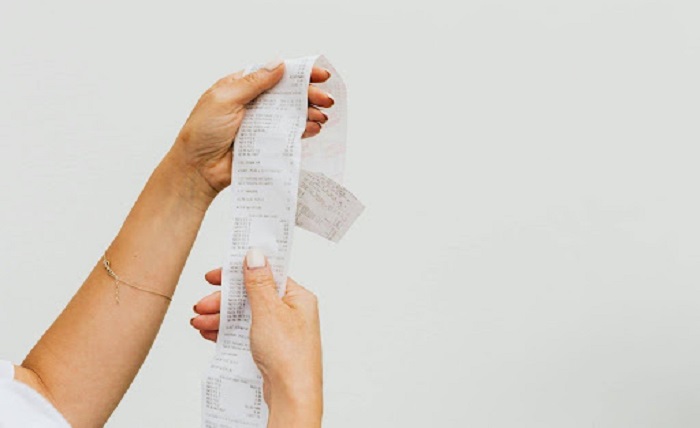
That $6 latte. The $15 lunch delivery. The $3.99 app subscription you forgot about. Individually, these purchases feel insignificant—just small conveniences that make life easier. But here’s the uncomfortable truth: those “small” purchases are likely costing you thousands annually and potentially derailing your financial goals. Before you dismiss this as penny-pinching advice, let’s look at the actual math. This isn’t about guilt or deprivation—it’s about awareness and intentionality. Small purchases fly under the radar precisely because they’re small; your brain doesn’t register them as financially significant even as they accumulate into substantial amounts. Understanding the real cost of convenience isn’t about eliminating all these purchases—it’s about making conscious choices rather than unconscious ones. The goal is alignment between your spending and your values.
The Math That Makes You Uncomfortable
Daily $6 coffee = $2,190 per year. Lunch delivery three times weekly at $15 each = $2,340 annually. Two forgotten streaming subscriptions at $12 each = $288 yearly. That’s $4,818 before considering impulse purchases, premium app upgrades, and convenience fees. That amount could fully fund a Roth IRA, eliminate credit card debt, or create a solid emergency fund.
Why Small Purchases Feel Harmless
Your brain struggles with accumulation. A $5 purchase doesn’t trigger financial anxiety the way a $500 one does, even if you make a hundred $5 purchases. Convenience purchases also provide immediate gratification and relief, creating a reward loop that’s hard to break. You’re not financially irresponsible—you’re responding to psychological design.
The Convenience vs. Value Question
Not all convenience spending is bad. The question is whether the convenience is worth the cost to you specifically. Does $6 daily for coffee bring you $2,190 worth of joy annually? Maybe yes! But often we’re paying for convenience unconsciously, not intentionally.
Taking Inventory Without Judgment
Track every purchase for one week—everything. Don’t change behavior yet; just observe. Notice patterns. Where is convenience genuinely valuable to you? Where are you spending unconsciously? Maybe some conveniences matter to you—like a small treat before you unwind or even take a moment to play JILI online—but the key is knowing which ones actually bring value.
Identify your “money leaks”: purchases that don’t align with your values or bring lasting satisfaction. These are your prime targets for reduction.
Wrapping Up
The goal isn’t to eliminate all convenience spending—it’s to make it intentional. Small purchases deserve the same consideration as large ones because they accumulate into large amounts. Start by identifying your top three convenience expenses this week. Ask yourself honestly: is this worth it to me? Sometimes the answer is yes, and that’s fine. But often, you’ll realize you’re trading substantial financial progress for conveniences you don’t even value that much. The daily latte you genuinely love and savor? Keep it. The lunch delivery you barely taste while working? That’s probably a money leak. Track your spending for just one week and notice where money goes without much thought or satisfaction. Those are your opportunities. Small changes in unconscious spending create surprisingly large differences in your financial trajectory without feeling like sacrifice.