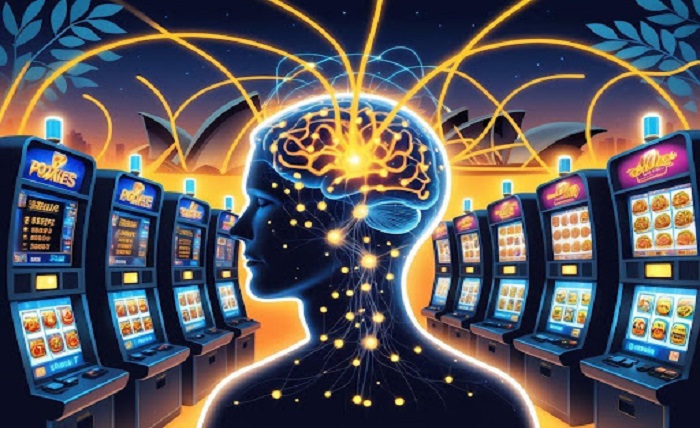
Poker machines don’t just take your money – they systematically rewire your brain’s reward system to keep you playing. These machines exploit the same dopamine pathways that drive all addictive behaviours, creating powerful psychological loops that can override rational decision-making.
The design of modern pokies represents decades of research into human psychology and neuroscience. Every flashing light, sound effect, and near-miss is carefully calibrated to trigger dopamine releases in your brain. This isn’t accidental – it’s a deliberate strategy that transforms casual entertainment into compulsive behaviour.
Understanding how pokies manipulate your brain’s chemistry reveals why willpower alone often isn’t enough to break free from their grip. By examining the neuroscience behind these machines, the psychological traps they employ, and their broader impact on Australian communities, you can better recognise and resist their influence.
The Neuroscience Behind Pokies and Dopamine Loops
Pokies manipulate your brain’s reward system through precise dopamine release patterns. These machines exploit natural learning mechanisms to create powerful addiction pathways in Australian players.
Dopamine’s Role in Reward and Addiction
Dopamine functions as your brain’s motivation chemical, driving you to seek rewards and repeat pleasurable behaviours. This neurotransmitter originates in the ventral tegmental area and travels to the nucleus accumbens, forming your brain’s primary reward circuit.
When you experience something rewarding, dopamine levels spike before the actual reward occurs. Your brain learns to anticipate pleasure, creating powerful cravings that drive behaviour.
Chronic overstimulation causes dopamine down-regulation. Your brain reduces dopamine receptor sensitivity to protect itself from overwhelming chemical floods.
This adaptation creates tolerance, requiring increasingly intense stimulation to achieve the same pleasurable feelings. Your baseline dopamine drops below normal levels, leading to anhedonia—the inability to feel pleasure from everyday activities.
Key dopamine pathway changes include:
- Reduced receptor density in reward centres
- Weakened prefrontal cortex control
- Heightened stress response systems
- Impaired decision-making abilities
How Pokies Trigger Dopamine Surges
Pokies generate dopamine spikes through multiple sensory triggers that activate your reward pathways simultaneously. The spinning reels, flashing lights, and musical chimes create a multisensory assault on your nervous system.
Near-miss outcomes produce the strongest dopamine responses. When two matching symbols appear with the third just one position away, your brain interprets this as “almost winning.”
Research shows near-misses activate the same neural regions as actual wins. Your brain treats these events as learning opportunities, reinforcing continued play despite losing money.
Visual and auditory stimulation patterns:
- Bright, contrasting colours that demand attention
- High-pitched winning sounds that mimic celebration
- Rapid visual movement creating excitement
- Bonus animations that extend dopamine release
The “losses disguised as wins” phenomenon tricks your reward system. When you win 10 cents on a $2 bet, celebratory sounds and visuals trigger dopamine release despite the net loss.
Intermittent Reinforcement in Machine Design
Pokies employ variable ratio reinforcement schedules—the most addictive reward pattern known to psychology. You never know when the next win will occur, creating maximum anticipation and sustained play.
This unpredictability maintains high dopamine levels throughout your gaming session. Unlike fixed rewards that cause dopamine to plateau, variable schedules keep your brain engaged and hopeful.
Machine programming creates:
- Random win timing that prevents pattern recognition
- Variable payout amounts maintaining uncertainty
- Extended play periods between significant rewards
- Bonus rounds delivered at calculated intervals
Modern pokies use sophisticated algorithms to optimise addiction potential. Return-to-player percentages hover around 87-98%, ensuring enough wins to maintain hope whilst guaranteeing house profits.
The timing between spins—typically 3.5 seconds—maximises dopamine cycling. This interval allows anticipation to build without losing momentum, creating optimal conditions for compulsive play.
Behavioural Traps and Psychological Manipulation
Pokies employ sophisticated psychological strategies that exploit natural human tendencies and vulnerabilities. These machines create artificial environments that manipulate your emotional responses and thinking patterns to maintain prolonged play.
Conditioned Cues and Emotional Rituals
Pokies establish powerful associations between environmental triggers and gambling behaviour through repeated exposure. The distinctive sounds, flashing lights, and tactile sensations become conditioned cues that trigger automatic responses in your brain.
Your dopamine system begins responding to these cues before you even start playing. The familiar jingles and visual displays activate anticipatory excitement, preparing your brain for potential rewards.
Many players develop specific rituals around their gambling sessions. You might choose the same machine, sit in the same position, or follow particular routines before playing. These rituals strengthen the psychological connection to the gambling environment.
Common conditioned cues include:
- Distinctive machine sounds and music
- Specific lighting patterns and colours
- Physical sensations of pressing buttons
- The casino environment itself
The conditioning becomes so strong that encountering these cues in other contexts can trigger gambling urges. Your brain has formed neural pathways that automatically associate these stimuli with the gambling experience.
The ‘Machine Zone’ and Escapism
The machine zone represents a dissociative state where you become completely absorbed in the repetitive action of playing pokies. This trance-like condition blocks out external awareness and emotional distress.
During this state, your sense of time becomes distorted. Hours can pass without conscious awareness as you enter a rhythmic cycle of betting, spinning, and responding to outcomes.
The machine zone serves as psychological escapism from stress, anxiety, or depression. Your brain finds temporary relief from negative emotions through this focused, mindless activity.
Characteristics of the machine zone:
- Loss of time awareness
- Reduced consciousness of surroundings
- Numbed emotional responses
- Automatic, repetitive movements
Pokies are specifically designed to facilitate this dissociative state. The rapid play rate and continuous stimulation prevent your mind from wandering or processing other thoughts and feelings.
Cognitive Distortions and Facilitatory Cognitions
Pokies exploit systematic errors in your thinking processes, particularly around probability and causation. These cognitive distortions help rationalise continued play despite mounting losses.
The gambler’s fallacy convinces you that past outcomes influence future results. After several losses, you might believe a win is “due” or that the machine is “heating up.”
Near-miss events create the illusion of almost winning, triggering dopamine responses similar to actual wins. Your brain interprets these near-misses as evidence that you’re getting closer to success.
You may develop illusions of control, believing that your timing, technique, or machine selection influences purely random outcomes. This false sense of agency maintains engagement with the game.
Personal responsibility bias leads you to attribute wins to your skill while explaining losses as bad luck or external factors. This selective reasoning protects your self-image whilst encouraging continued play.
These distorted thought patterns become deeply ingrained, making it difficult to assess the true nature of the gambling activity objectively.
The Ripple Effects of Gambling Harm in Australia
Gambling harm extends far beyond individual losses, creating widespread social and economic consequences across Australian communities. Recent research shows 87% of regular pokies players experience some form of harm, with effects reaching families, communities and the broader healthcare system.
Emotional and Social Costs
The psychological impact of pokies gambling creates lasting damage to relationships and mental health. You might notice increased anxiety, depression and feelings of shame among those affected by gambling harm.
Family relationships suffer significantly when pokies gambling becomes problematic. Partners report financial stress, broken trust and emotional distance as common outcomes.
Children in households affected by gambling harm experience indirect consequences. They often face reduced family resources, emotional instability and normalised attitudes towards risky behaviours.
Social isolation frequently develops as gambling problems intensify. You’ll find that many people experiencing gambling harm withdraw from social activities and support networks.
The financial strain creates cascading effects throughout families. Basic necessities like housing, food and education funding become compromised when significant amounts flow to pokies machines.
Normalisation of Pokies in Communities
Pokies venues have become embedded in Australian social infrastructure, particularly in pubs and clubs. This widespread availability makes gambling harm more likely to develop across entire communities.
Living near gaming venues increases your risk of developing gambling problems. Research indicates proximity to pokies machines correlates with higher rates of bankruptcy and poor mental health outcomes.
Community organisations often depend on pokies revenue for funding. This creates a complex relationship where local groups benefit financially while community members experience harm.
The concentration of pokies machines in disadvantaged areas amplifies existing social problems. You’ll find higher densities of gaming machines in communities already facing economic challenges.
The Wider Impact of Online Pokies in Australia
When examining online pokies in Australia, it becomes clear the harm extends well beyond individual players. Families, communities, and local economies all feel the ripple effects of addiction. Increased financial stress, strained relationships, and reduced social cohesion are common in areas with high pokies density.
By situating pokies within pubs, clubs, and online platforms, the industry embeds gambling into everyday life. This normalisation raises exposure and increases the likelihood of harm, especially in vulnerable communities already facing economic pressures.
Public Health Implications
Australia loses approximately $25 billion annually to gambling, with at least $10 billion from pokies coming from people exceeding recommended risk limits. This represents a significant public health crisis requiring systematic intervention.
Healthcare systems bear increased costs from gambling-related mental health services. Emergency departments, counselling services and crisis support programs see higher demand in areas with concentrated pokies availability.
Workplace productivity suffers when employees experience gambling harm. Increased sick leave, reduced concentration and financial stress affect overall economic output.
The healthcare burden extends beyond immediate treatment needs. Long-term mental health support, relationship counselling and financial recovery services require sustained public investment.
One in six adults in some regions experience gambling harm, indicating the scale of intervention needed. This prevalence suggests pokies harm has reached epidemic proportions in certain Australian communities