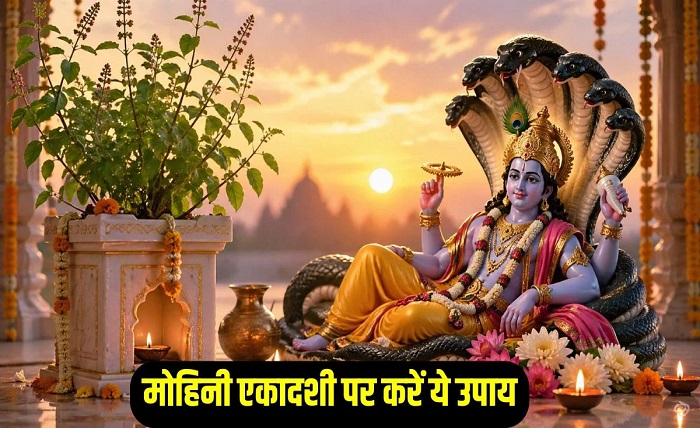
The phrase “ekadashi kab hai” translates to “when is Ekadashi” in English, and it is a common question among devotees who follow the Hindu lunar calendar. When people ask ekadashi kab hai, they want to know the exact date of the eleventh lunar day, which occurs twice a month. This sacred day is dedicated to Lord Vishnu and is considered highly auspicious for fasting and spiritual practices. Understanding ekadashi kab hai helps individuals prepare for rituals and maintain their devotional routine properly.
Why Is “Ekadashi Kab Hai” Important for Devotees?
Knowing ekadashi kab hai is essential because Ekadashi fasting is believed to cleanse the body and mind while bringing spiritual growth. Devotees who observe this fast often plan their meals, prayers, and daily schedules around ekadashi kab hai to ensure proper observance. Missing the correct date may mean missing the spiritual benefits associated with the fast. Therefore, regularly checking ekadashi kab hai is an important habit for those who follow Hindu traditions closely.
How Often Does Ekadashi Occur?
If you frequently search ekadashi kab hai, it’s helpful to know that Ekadashi occurs twice every lunar month—once during the waxing phase (Shukla Paksha) and once during the waning phase (Krishna Paksha). This means there are approximately 24 Ekadashis in a year, though sometimes there can be more due to leap months. By understanding this cycle, answering ekadashi kab hai becomes easier and more predictable throughout the year.
Spiritual Significance of Ekadashi Fasting
When people ask ekadashi kab hai, they are often motivated by its deep spiritual significance. Fasting on Ekadashi is believed to remove sins, promote self-discipline, and strengthen devotion to Lord Vishnu. Many scriptures highlight the importance of observing Ekadashi with sincerity and faith. By knowing ekadashi kab hai, devotees can dedicate the day to prayer, meditation, and chanting, enhancing their spiritual journey.
How to Find “Ekadashi Kab Hai” Easily
In the modern world, finding ekadashi kab hai has become very convenient. You can check online Panchang websites, mobile apps, or even simple Google searches to get accurate dates based on your location. Many calendars also provide yearly lists, making it easy to track ekadashi kab hai in advance. These tools help ensure that you never miss an important fasting day.
Rules and Guidelines for Observing Ekadashi
Once you know ekadashi kab hai, the next step is understanding how to observe it properly. Devotees typically fast from sunrise to the next day, avoiding grains and certain foods. Some people follow a strict fast without food or water, while others consume fruits and milk. Observing Ekadashi also involves prayer, reading scriptures, and avoiding negative thoughts. Knowing ekadashi kab hai allows you to prepare mentally and physically for these practices.
Common Mistakes People Make About “Ekadashi Kab Hai”
While many people ask ekadashi kab hai, there are common misconceptions about its timing. One mistake is assuming that Ekadashi follows the regular calendar date, which is not true because it is based on the lunar cycle. Another error is not checking the exact timing of the tithi, as Ekadashi may begin or end at unusual hours. By carefully verifying ekadashi kab hai, these mistakes can be avoided.
Tips to Keep Track of Ekadashi Dates
If you often wonder ekadashi kab hai, there are simple ways to stay updated. You can set reminders on your phone, follow a reliable Panchang, or subscribe to daily calendar notifications. Keeping a printed Hindu calendar at home is also helpful. By making it a habit to check ekadashi kab hai, you can stay consistent with your fasting and spiritual practices.
Conclusion
In conclusion, the question ekadashi kab hai is an important one for anyone who follows Hindu traditions and spiritual practices. From understanding its timing to observing fasting rules, knowing ekadashi kab hai helps devotees align their lives with sacred rhythms. With modern tools and a little awareness, keeping track of Ekadashi dates has become easier than ever. By regularly checking ekadashi kab hai, you can fully embrace the spiritual benefits and maintain a disciplined devotional routine.
FAQs
1. What does “ekadashi kab hai” mean?
“Ekadashi kab hai” means “when is Ekadashi,” referring to the eleventh lunar day in the Hindu calendar.
2. How many Ekadashi days are there in a year?
There are usually 24 Ekadashis in a year, so checking ekadashi kab hai regularly is important.
3. Can Ekadashi dates change every year?
Yes, since it is based on the lunar calendar, ekadashi kab hai changes every year in the Gregorian calendar.
4. What should I eat on Ekadashi?
When you know ekadashi kab hai, you can prepare to eat fruits, milk, and non-grain foods as part of the fast.
5. How can I avoid missing Ekadashi?
To avoid missing it, check ekadashi kab hai using apps, calendars, or online Panchang tools regularly.